


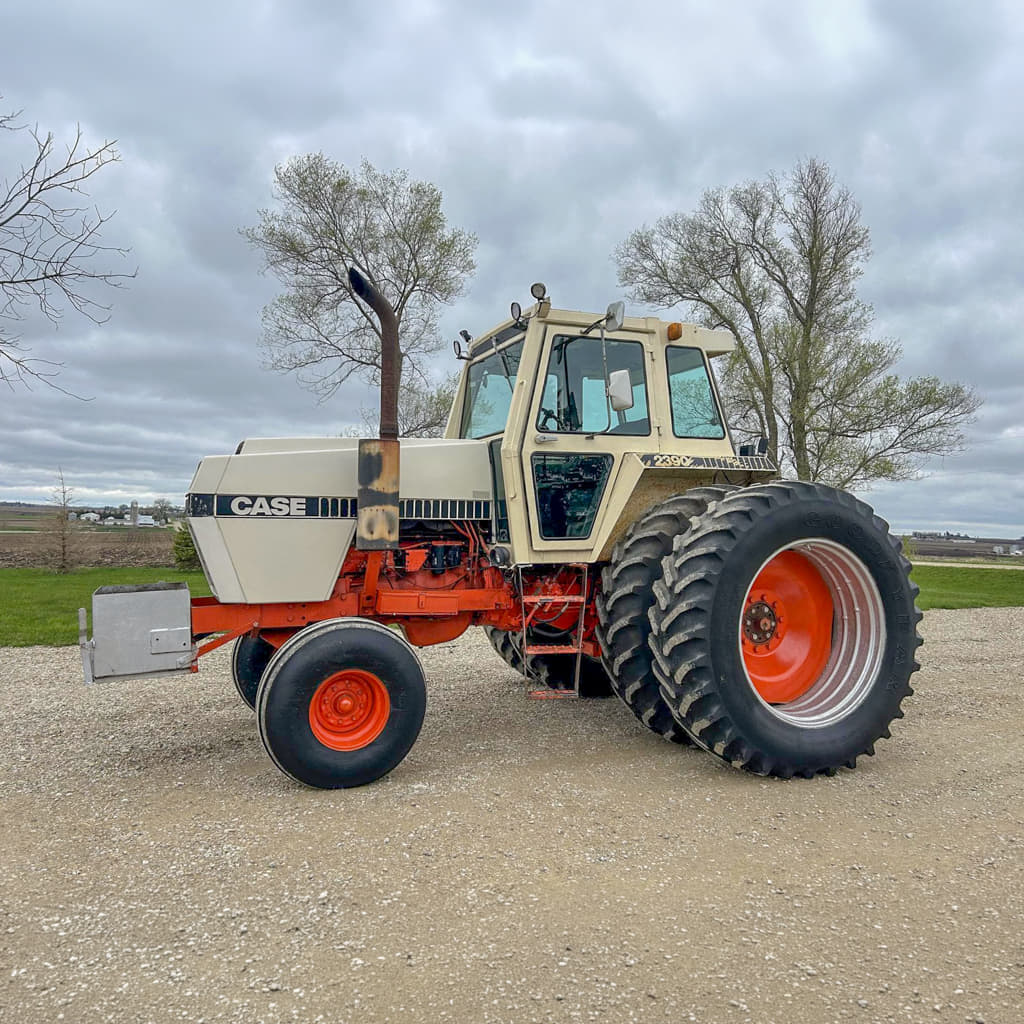
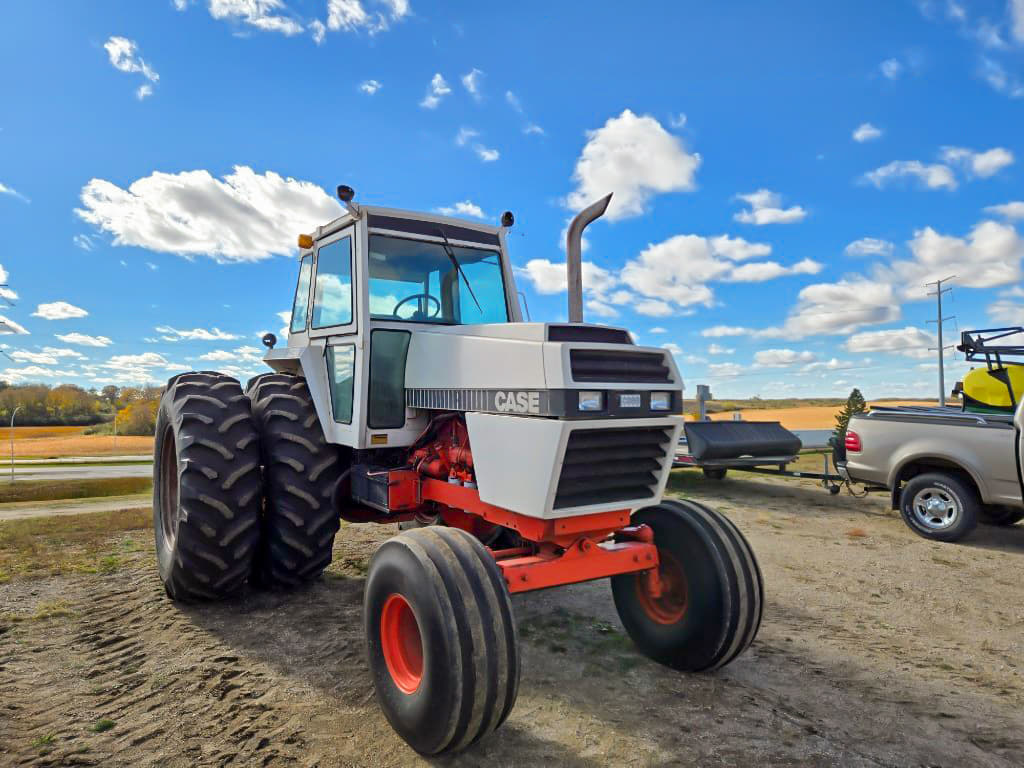
Case 2390 listings on Tractor Zoom
By the late 1970s, the horsepower race was heating up in a hurry, and J.I. Case wasn’t about to sit on the sidelines.
Farms had gotten bigger. Tools had gotten wider. And the old idea of “one size fits all” tractors was starting to crack. If you wanted to stay competitive, you needed more capacity—plain and simple.
That’s where the 90-series came in. And near the top of that lineup sat the Case 2390.
Built in Racine, Wisconsin from 1979 through 1983, the 2390 was one of Case’s answers for farmers who needed serious horsepower but weren’t ready—or didn’t want—to jump into a full articulated four-wheel-drive. Rated around 160 PTO horsepower, it had enough muscle to handle big tillage tools, larger planters, and the kind of workloads that were becoming the norm across the Midwest.
But horsepower was only part of the story.
Around the time the 90-series launched, Case started pushing a different way of thinking about how tractors should be used in the field.
They called it Rapid Farming, and it was the brainchild of a longtime Case employee, Mr. Bill Simpson.
Rapid Farming
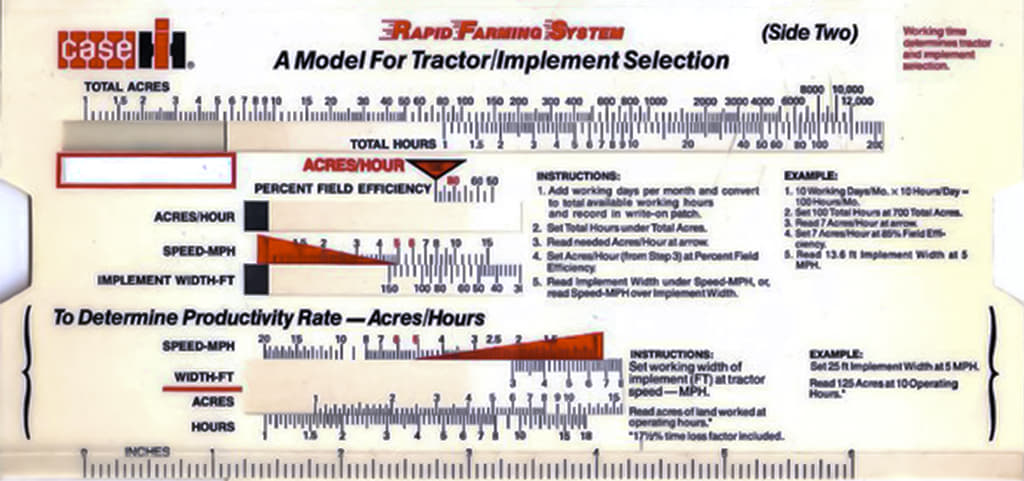
At its core, the Rapid Farming concept was pretty simple—but for a lot of farmers, pretty counterintuitive.
For years, the playbook was to get as heavy as you could, hook onto the biggest implement you could find, and crawl across the field at 2–3 mph—just trying to keep the power hooked up and wheel slip in check.
Simpson’s answer was to back off a little in some areas…and push harder in others.
Don’t upsize your tools.
Don’t weight the tractor to the limit.
Use the same equipment you already had—just run it faster.
Because a slightly bigger tractor pulling the same implement at 5 mph will cover more acres per hour than a heavier setup crawling along at 3 mph.
And the argument didn’t stop there.
Case claimed you could do it while burning fuel more efficiently and putting less strain on the driveline. In their testing, they found as much as 9.5 times more driveline strain when a tractor was lugged down at 2 mph under heavy load compared to running closer to 6 mph with a slightly smaller tool.
At a time when longevity was still important, that idea got people’s attention. Still, even if it made sense on paper, not everybody was ready to buy in right away.
Preaching the Rapid Farming gospel

Abstract concepts tend to need a little extra explanation, and if it got you one step closer to buying a new 2390, Case was more than ready to do that. The Rapid Farming concept was turned into a full-blown marketing message, and Bill Simpson took it everywhere. He was the right guy to do it, too; he’d been with Case since the late ’50s, and by the time the 90-series rolled out, he’d become one of the company’s more recognizable voices. Big personality, big presence, and by most accounts, somebody farmers actually liked.
He wrote what looked like farm advice columns in small-town newspapers—pieces that walked through the concept in plain language, but clearly carried Case’s perspective. Company-owned Case Power & Equipment dealerships hosted clinics on it. It showed up in local ag meetings. It got talked about.
This wasn’t accidental.
Case made a concerted effort to get that idea in front of farmers, because it required a shift in mindset. You weren’t just buying a bigger tractor—you were also being asked to rethink how you used it.
The 2390: A perfect fit?
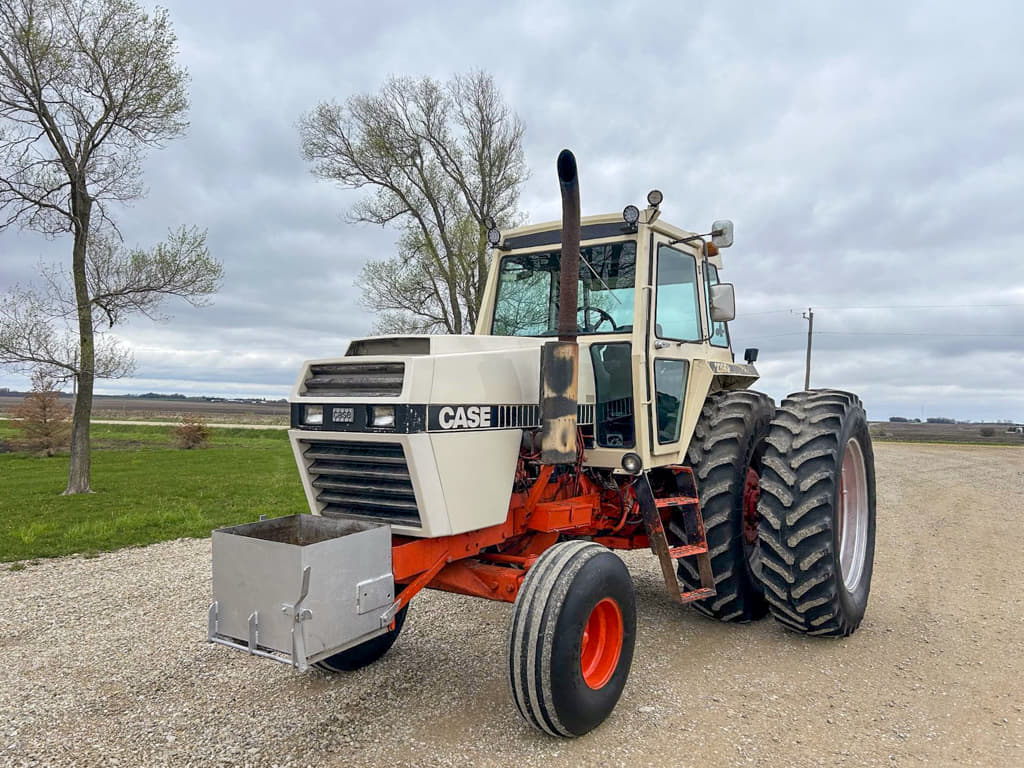
At the heart of the 2390 was Case’s 504 cubic inch, 6-cylinder diesel. By the time it landed in this tractor, it was a known quantity—torquey, durable, and built to handle long days without much fuss.
That engine was mated to Case’s 12-speed partial powershift—three ranges, with the ability to shift on the go between gears and ranges. Not a full powershift, but it gave operators enough flexibility to keep the tractor in its working range without constantly clutching or losing momentum.
When everything was working right, the 2390 made that pretty manageable.
Creature comforts
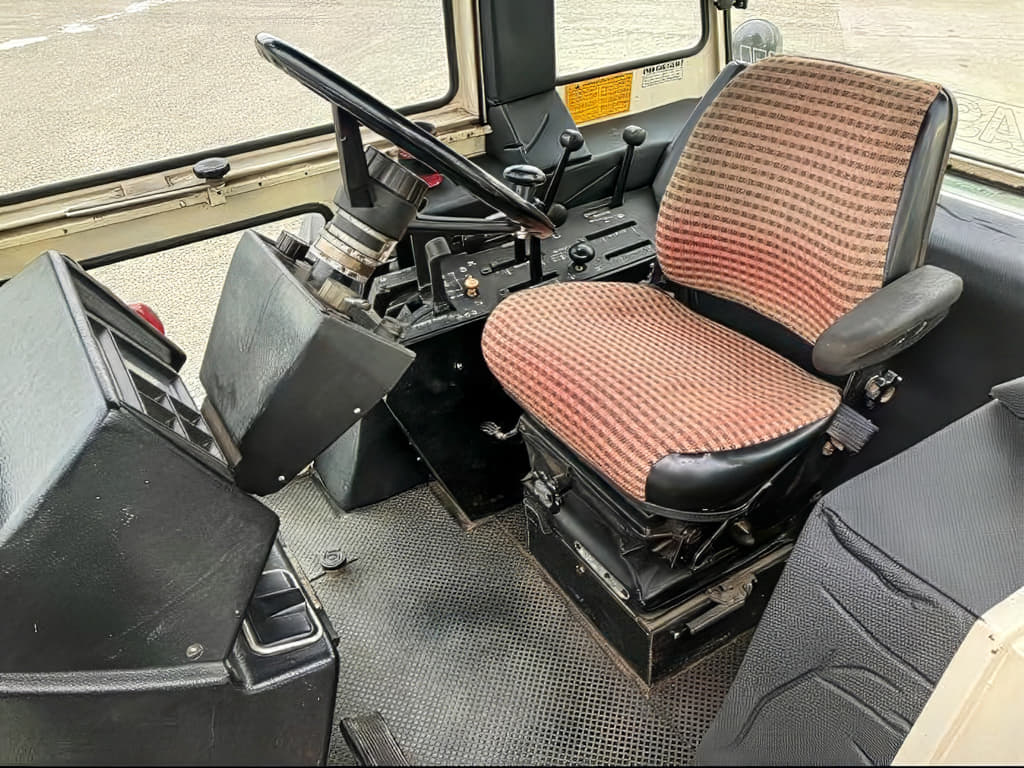
This was also the era where manufacturers started realizing that if you wanted farmers to run longer days—and in this case, maintain consistent working speeds—you couldn’t ignore the cab. They needed to be comfortable in order to be alert and safe. To that end, Case introduced a pretty major revision for the “Silent Guardian” cab with the 90-Series. In addition to class-leading noise control and good visibility, the air conditioning system was moved to the back of the cab roof so it could be removed and serviced without having to tear the roof apart (and reseal it when finished). The icing on the cake was the addition of the “President’s Chair,” Case’s version of a luxury seat.
Overall, it came together as a pretty nice package. SoundGards get a lot of love for being a really nice cab, but the Silent Guardians in the 90/94-Series were no slouch!
It wasn’t all bougie seats and horsepower, though. The Case 2390 developed a bit of a reputation, and it came by it pretty honest.
Transmission problems
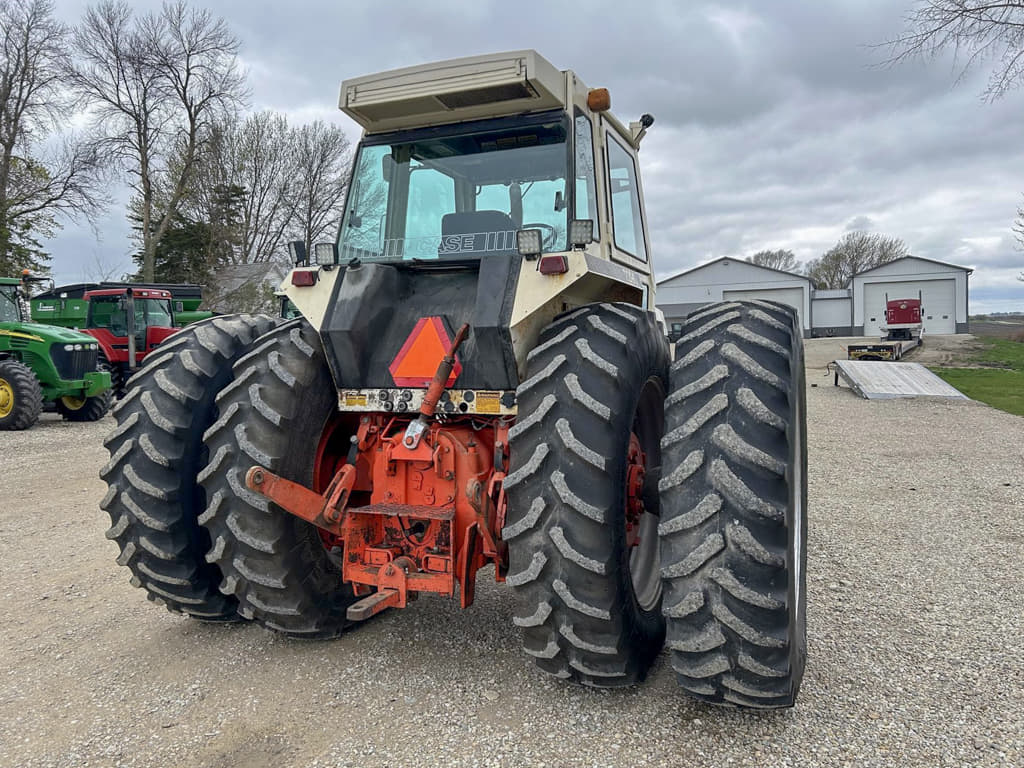
That same transmission setup—while useful—also brought some complexity with it.
When it was right, it was smooth and easy to run. However, it depended heavily on proper maintenance. If things were neglected or pushed too hard, repairs could get expensive in a hurry. It had some weird oddities, too, like running the PTO while the transmission was in reverse and in a stationary position. The transmission would starve for lubrication and usually ended up self-destructing in short order. It was a mistake you usually only got to make one time.
Now, I want to be real clear when I say that not every 2390 had issues. I know there are plenty of ’em faithfully earning their keep on farms across the country. However…enough units did that it has became part of the conversation.
So today, when you look at one, it’s not just about hours. It’s about how it was used, how it was maintained, and whether somebody stayed ahead of the problems—or chased them.
Wrapping up….
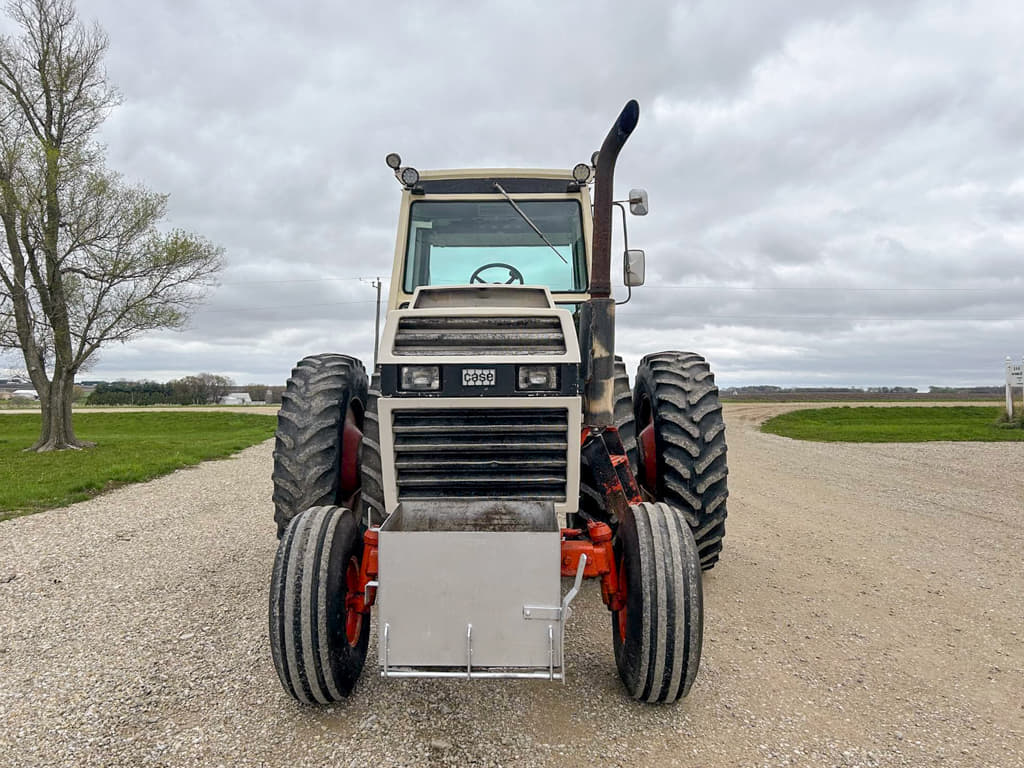
The 2390 filled a very specific niche. It wasn’t a small tractor, and it wasn’t trying to be. Instead, it lived in that middle ground—larger row-crop operations that needed more power but still wanted versatility. It could’ve easily been the big tractor in a two-machine operation for a small/medium-sized farmer, or it could’ve played second fiddle to a bigger row crop or 4WD.
That flexibility lined up well with the Rapid Farming mindset. You didn’t necessarily need to overhaul your entire lineup—you just needed to change how you were running it.
Today, the Case 2390 sits in a bit of a gray area. It’s not really rare enough or highly-esteemed to be a high-end collector piece. And on the other hand, it’s not simple enough to be a no-questions-asked chore tractor either.
But it is still a capable machine. There are plenty of them out there still working—doing the same jobs they were built for decades ago.
At the same time, it’s a tractor that comes with a reputation. It’s a tractor that you buy with eyes wide open. And when they’re right, they’re really solid tractors. When they’re not, they’ll remind you pretty quickly.
The Case 2390 is a snapshot of a turning point in agriculture. One where efficiency was more important than ever. One where the focus wasn’t just on bigger equipment—but a different way of using it.
Case called it Rapid Farming.
And once they figured out how to explain it…they made sure just about everybody heard it.


