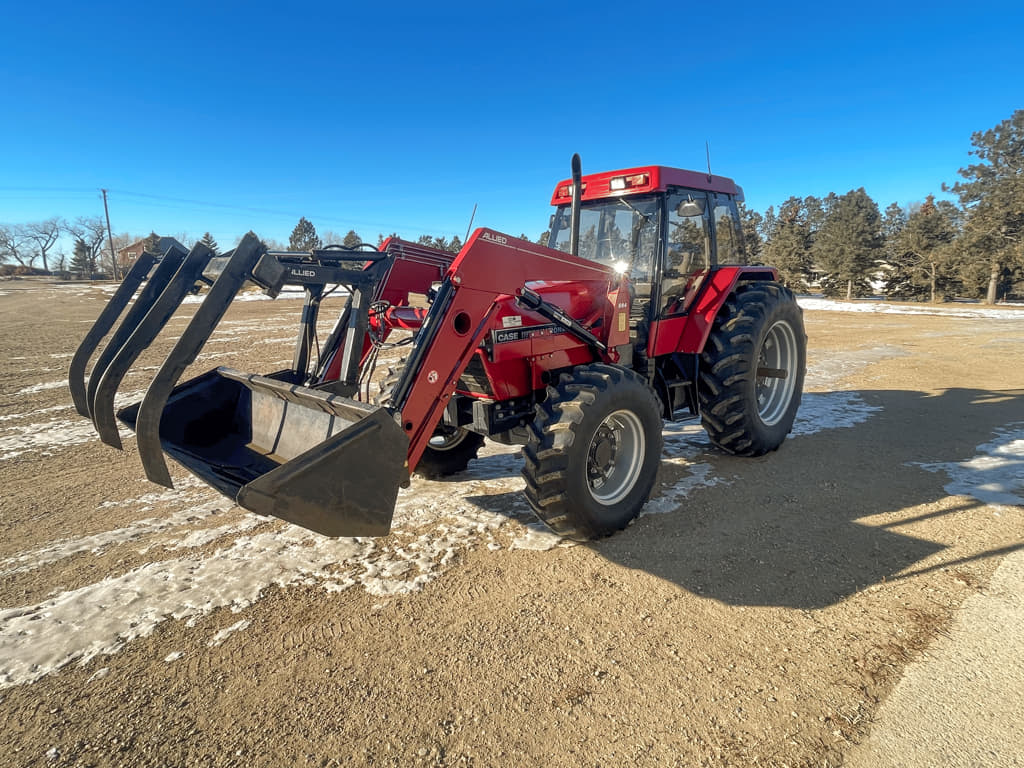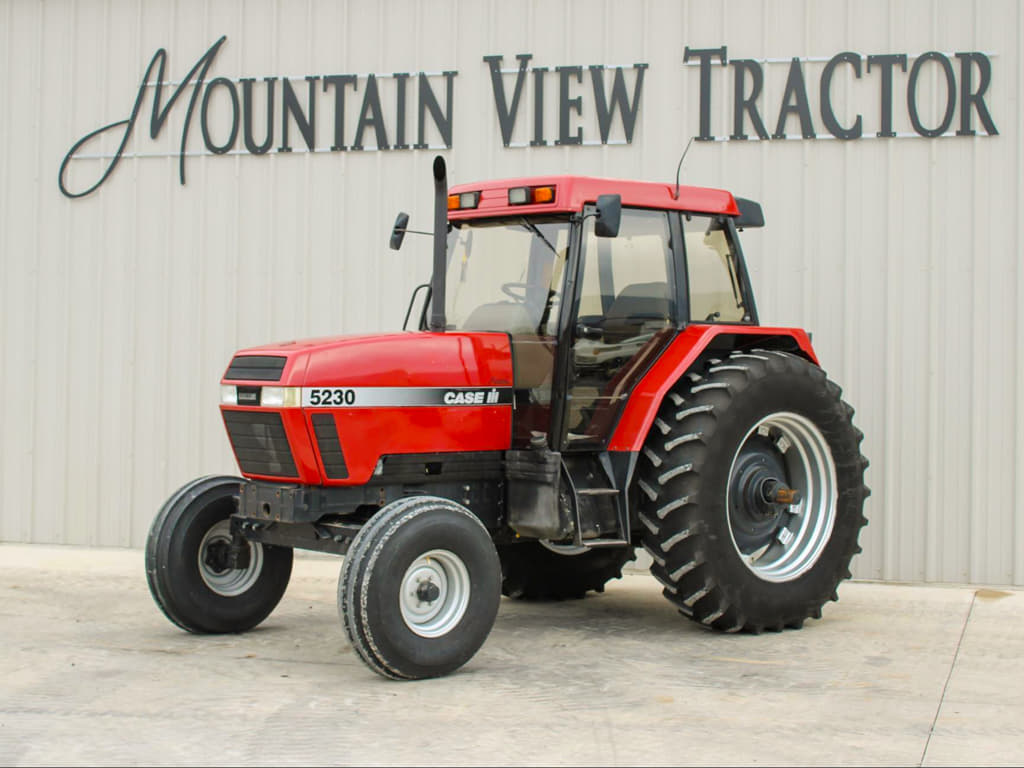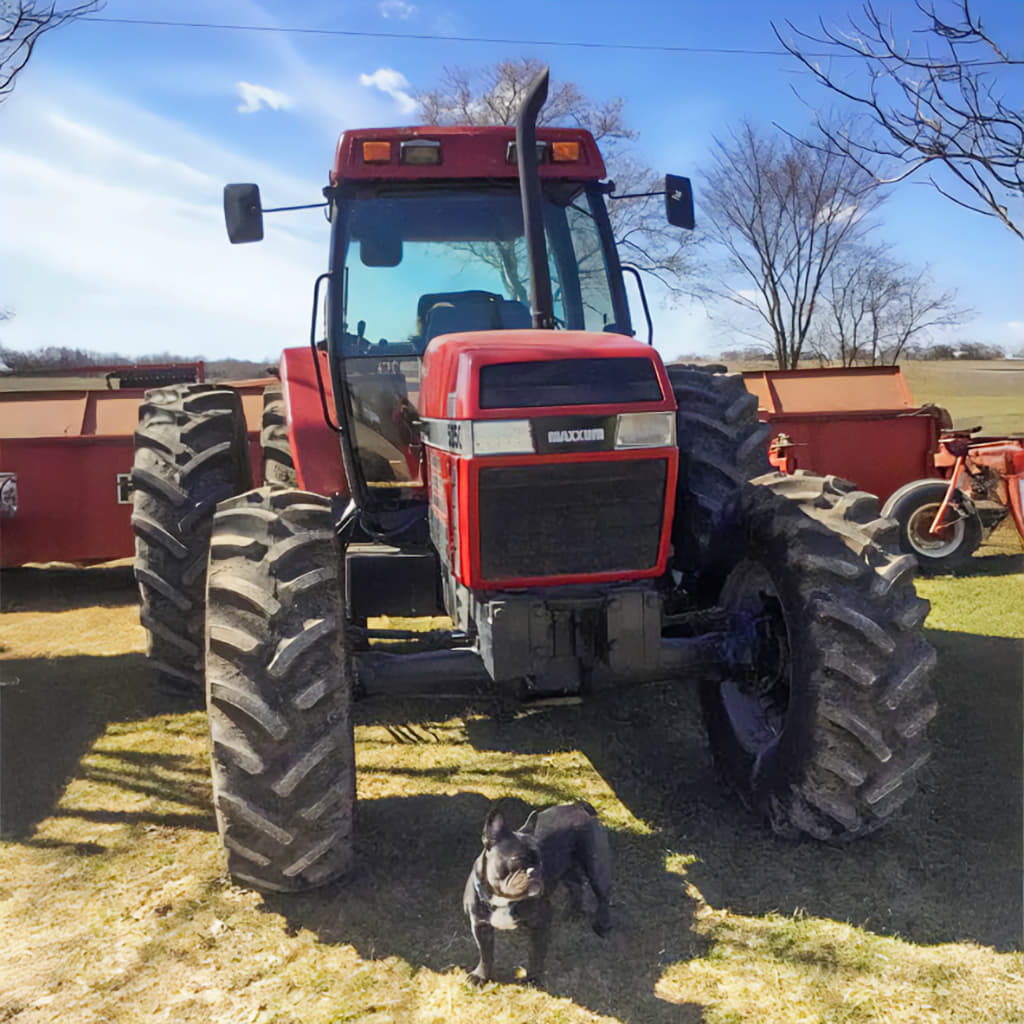
Case IH Maxxum listings on Tractor Zoom
About a month ago, I posted a short video on the early Case IH Maxxum tractors—just a “here’s what you should know in a minute or less” overview. Nothing wild. But man alive… the comments exploded. Out of roughly 150 replies, I counted fewer than ten with any real negativity (and yes, that even includes the token troll or two). Most of the folks chiming in were people who rely these tractors every day—machines with big hours and even bigger stories.
Now, one video and a pile of positive feedback doesn’t prove anything by itself. Plenty of high-houred tractors are still out there earning their keep. And while there’s no shortage of praise for the large-frame heavy hitters of the 90s like the Boxcar Magnum or the 8000-Series Deeres, there’s decidedly less out there about the little brothers. So when somebody finally gives the early Maxxums a little attention, the people who love them show up in the comments. It probably would’ve gone the same way if I’d posted a video about the Mannheim-built SoundGard tractors, because they punch way above their weight class too.
Still… I don’t think this was just a one-off burst of positivity. There’s something to be said for how consistently owners talk about these tractors holding up. They may not command the same kind of universal respect as a Boxcar, but the early Maxxums were built like tanks—simple, durable, and tougher than they look. That got me wondering what, exactly, has helped them stand the test of time.
So let’s talk about that, and where it came from, shall we?
Putting the Maxxum on the map…
In a lot of ways, the Maxxum was a truly global project long before it ever hit a dealership lot. Its roots go back to England, where Tenneco-owned David Brown handled most of Case’s smaller utility tractors and row-crops. In the early ’80s, they were deep into updating the 1494 and developing a shared transmission that could be used in both the 580 backhoe and the mid-sized ag tractors. Case figured a common gearbox could save $100 million in development costs, so the effort was dubbed Project P100.
Meanwhile, Case and Cummins were rolling out their new line of CDC engines—a big deal at the time. The first engine went into a 580 backhoe in 1983. Not long after, another one showed up in a prototype 1496. The individual pieces were coming together.
Then came the merger in 1985. It didn’t stop the mid-sized tractor work, but it did nudge things in a slightly different direction. The bones of the project stayed the same; the roadmap just changed a little.
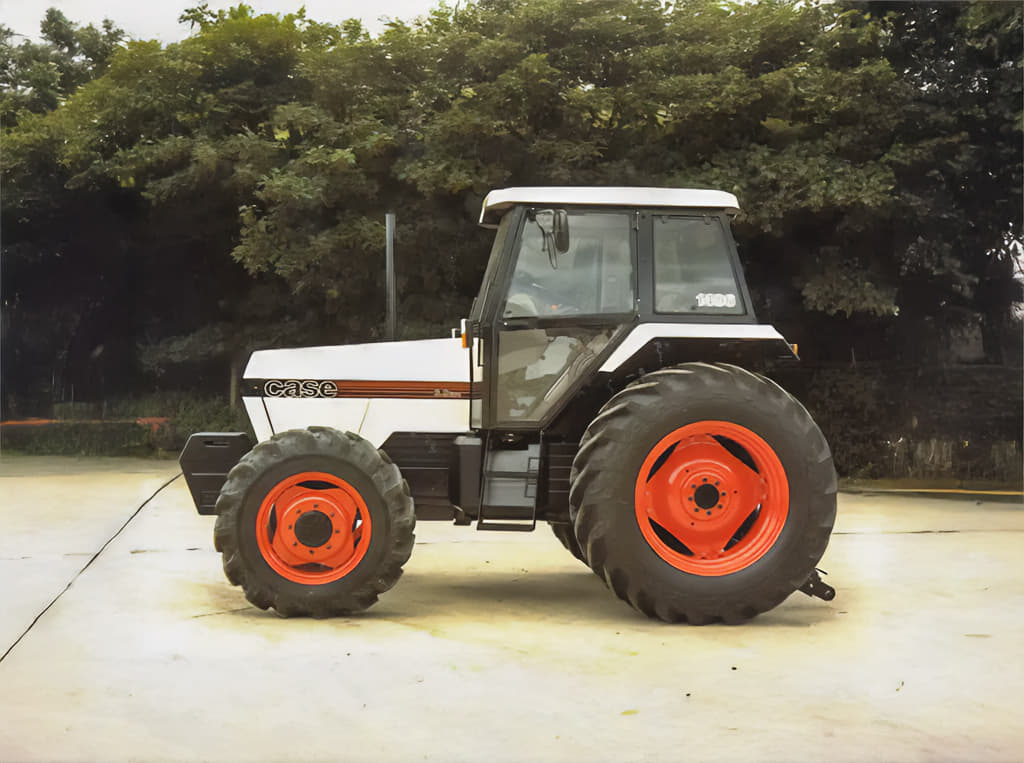
The delay didn’t last long, though. The decision was made to update the sheet metal and the cab to be just a little more similar to that of the Magnums. Once that was finished, it was basically ready for prime time, right?
No, not at all.
The first Maxxum rolled off the line November 6th, 1987. It never went to the dealer, though. It went direct to the farmers with one instruction. “Pick it apart.”
The Maxxum faces the firing squad…
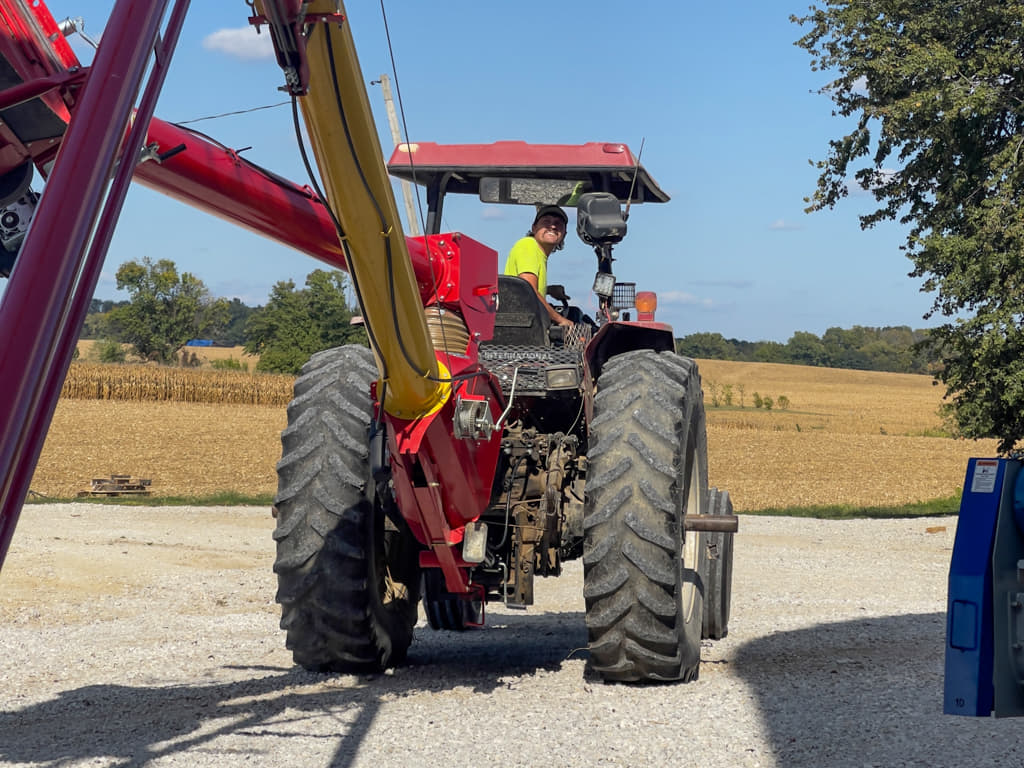
This is where things get really interesting.
Case IH had a product they were proud of, but they weren’t naïve enough to assume they’d nailed it. The real test had to come from the toughest critics they knew: farmers.
So in June 1988, they shipped several prototype Maxxums to the Hinsdale, IL research facility and brought in a group of farmers from across North America. The mission was simple: “Tell us what we missed.” The farmers tore into the machines, and Case IH staff—from top brass to engineers—stood by with notebooks in hand. They listened, asked questions, and documented everything. By the time the dust settled, they had more than a dozen meaningful changes to work through.
Most companies would’ve called it good and headed for market.
Case IH went to round two.
This time the testing went global. Prototype Maxxums were sent to farms around the world, and operators were asked to put them through every kind of work they could: loader duty, tillage, snow removal—whatever their operation demanded. They kept journals of their daily impressions, strengths, and shortcomings.
When the tractors and notebooks came back, Case IH made another set of refinements. By the end of the process, they’d logged over 100,000 hours of on-farm testing from farmers of all types and brand loyalties—more than half of the testers weren’t even “red” guys.
Only after those two rounds of real-world feedback did Case IH finally greenlight the Maxxum for release.
So what’d the finished product look like?
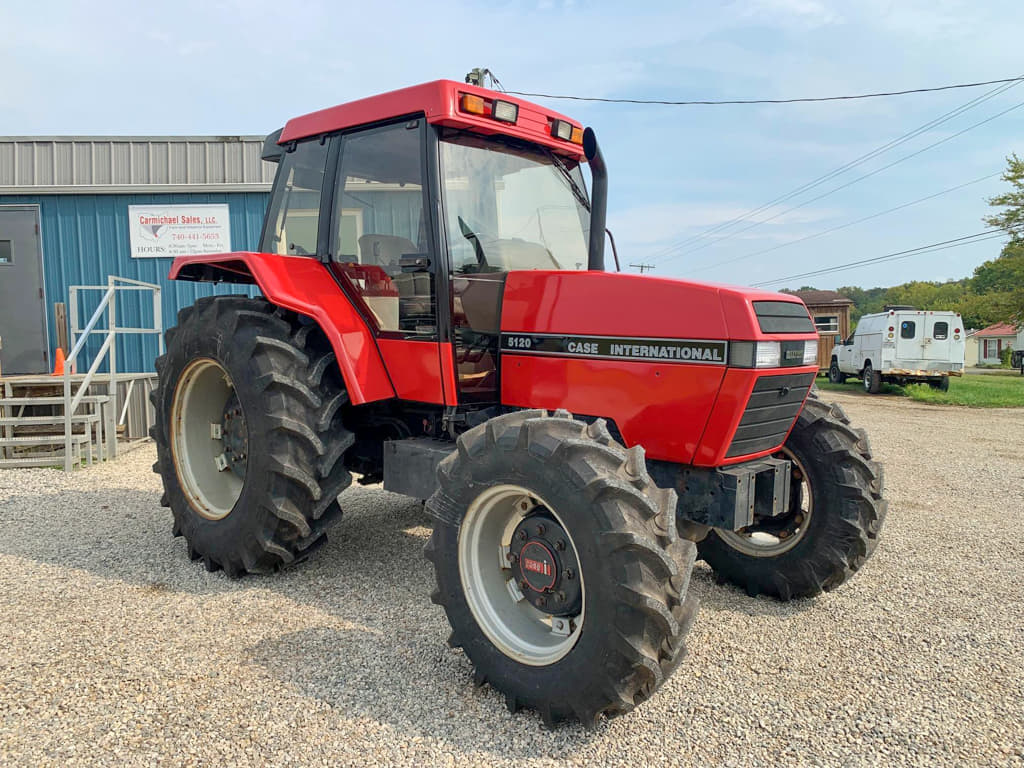
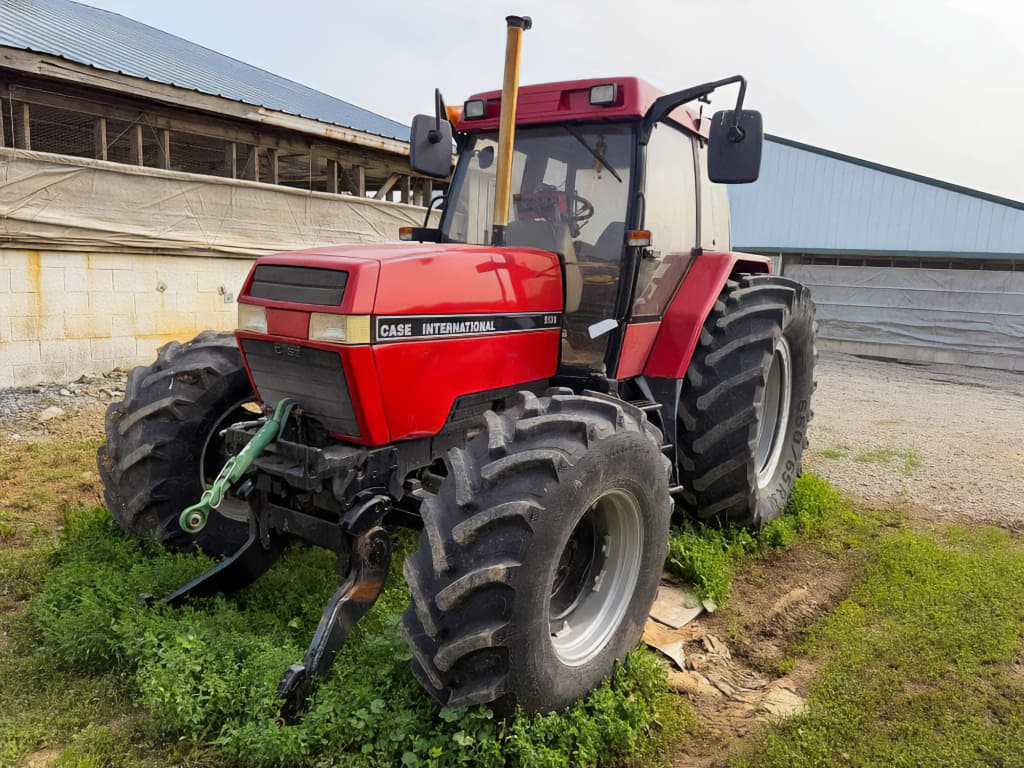
This is what the tractor looked like when it finally hit the market. For the 1990 model year, North America got the 5120, 5130, and 5140 first. The 5120 carried a turbocharged, aftercooled 3.9L four-cylinder rated at roughly 88 engine horsepower and 77 PTO. The 5130 stepped up to a naturally aspirated 5.9L inline-six making 99 engine horsepower and 86 PTO. And topping the lineup, the 5140 used a turbocharged version of the 5.9L that delivered 132 engine horsepower and 112 on the PTO. All three offered 16-speed synchro or powershift transmissions, along with a column-mounted shuttle shift—a feature that came directly from that first farmer feedback session.
They didn’t break the bank, either. Pricing for the 5120 started under $30,000, with each step up adding roughly three grand. For what you paid, you got a lot of tractor. The tractors were stoutly built, with heavy axles, good hydraulic capacity for the day, a strong frame, and dependable drivetrains. They were comfortable, well-balanced, and surprisingly nimble. They kept farmers productive without burning a pile of fuel to do it, too. For most buyers, it was a very appealing package. The fact that it was sold with a 5-year/5000 hour warranty didn’t hurt either!
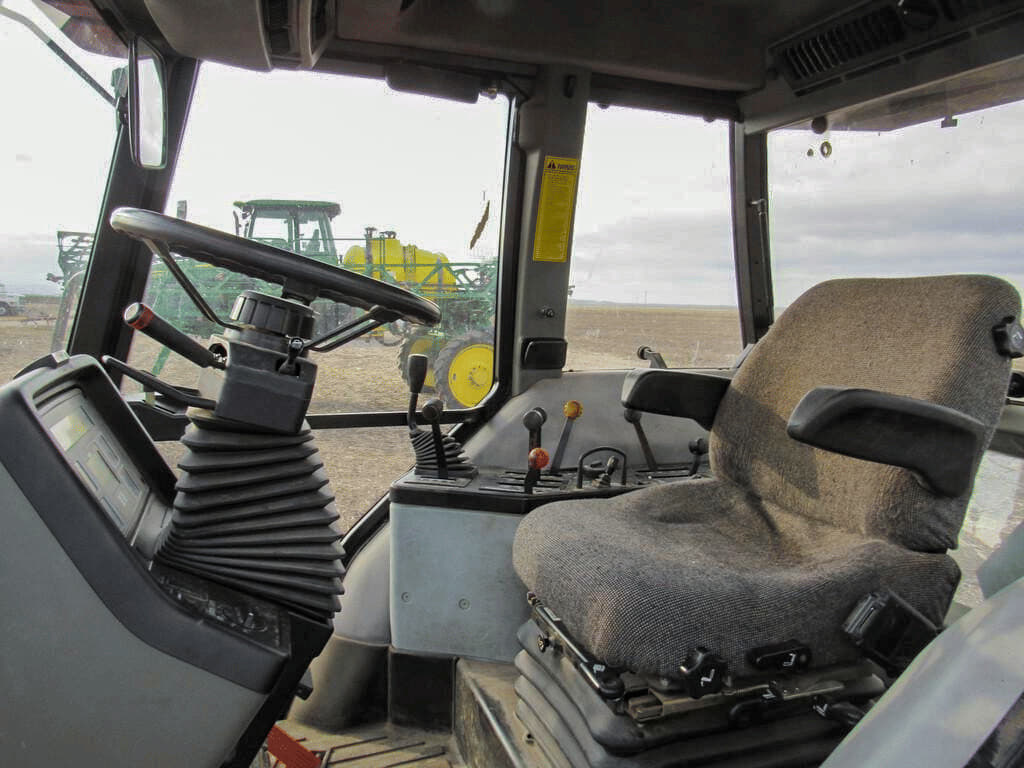
Sure, a few early units had some growing pains (electronically controlled powershifts were new territory for everybody), but big picture? Case IH had most of the important pieces figured out right from the start.
How’d they sell?